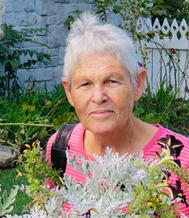
Pauline Kok-Schurgers
Awards & Recognition

One of the 2015 Shelf Unbound Notable 100

The Remains of War is translated in Dutch under the name “Het Vergeten Kamp” {The Forgotten Camp} in 2013. In 2015, to celebrate 70 years of freedom, Het Vergeten Kamp was chosen to be published in its entirety in magazine format to make it available country-wide.


Endorsements

There is no shortage of literature retelling the atrocities of WW II. Some of it appears in thick textbooks, some in poems or diaries, and still more in powerful memoirs, told decades later. ‘TheRemains of War belongs to the latter category, but stands apart, not only for its moving prose, but for its unique, historical significance. Simultaneously told with the unmitigated innocence of a child and yet the reflective wisdom of an adult, this story is rich with vivid detail and startling honesty. It is by turns chilling and captivating and finally, uplifting for its testament to the resilience of the human spirit. (“This award goes to books that we feel are exceptional and merit widespread attention. We are highly selective. In the three- a half year, this is only the third book we have awarded the BlueInk Best Book award”)

As [Kok] writes in her preface: Fear, panic, despair and grief have created a warped people who would have to spend the rest of their days trying to deal with the change and disability, caused by relentless cruelty, terror and sadism. The author shows how the misogynistic, fanatic Japanese soldiers quickly beat a new worldview into their captives, as food and medical supplies dwindled at each succeeding camp…even after the war ends as Japan is beaten, the ghosts of the camps won’t let go of Sofia.

The story of a young family torn apart by the ravages of World War II while imprisoned in Japanese Concentration Camps. Told with remarkable clarity and sincerity, this book is a powerful depiction of how war forever robs one’s childhood.

Pages are laden with empathy and introspection. At its heart, the book illustrates how difficult it is topreserve one’s humanity underneath conditions designed to break it. Readers will easily draw parallels to works like Eli Wiesel’s Night and Primo Levi’s Survival in Auschwitz. Skillful turns of phrase propel the story and ensure reader engagement. Of the changes forced upon her, Kok-Schurgers says, “behind my closed eyes, the bright, beautiful colors of freedom and happiness changed into drab, dark shades of fear, insecurity, and void.” Such moments are a powerful reflection of the effects of war on children in particular.

This book is an unforgettable account of a dark page in world history, which has been mostly neglected. Mrs. Kok-Schurgers has provided a very powerful voice to the children who suffered so much cruelty and hardship at the hands of their captors and whose stories remain untold.

This is a must read for this and future generations. Through the eyes and heart of a child, Pauline has captured in detail another dark era of man’s inhumanity to men, women and children. A time that must never be erased from history. Pauline is a courageous true survivor who has put her experiences and inner heart to pen.

I’m not sure if it is even possible to “review” a book like this. There is no way I can critique such a personal, raw story of dehumanization and war. I found the narrative choice to be interesting and provocative. Instead of recounting her time in the camps from an adult perspective, the author choose to narrate from the eyes of herself as a little nine year old thrust into a world she can’t begin to comprehend. The fact that any of them survived the camps is a testament to the human spirit and desire to live. Sofia and her story will stay with me for the rest of my life.

I hate saying I enjoyed reading this book because it sounds bad to enjoy reading about other’s trouble, but I did enjoy it. I enjoyed it in the way I enjoyed reading Anne Frank’s Diary. I had no idea there were other concentration camps during the war, besides those in Europe. The ones ran by Japanese in Indonesia were every bit as evil as those ran by Hitler and these Dutch settlers would have been exterminated if the war wouldn’t have ended when it did. This is definitely a book that everybody should read even if just to improve your knowledge of WWII.

It took great courage of the author to put her experiences into words. It is a testament to those who lost their lives and to the amazing feats of surviving.

Sofia’s story is her own painful recollection of the brutal Japanese atrocities of World War II. It is interesting to see this from a child’s prospective. I found the book to be a compelling and a gut-wrenching story that I’m glad the author finally found the voice to share.

While it is hard to grasp what the author had gone through, it was so important that she has given this memoir to the world. Comprehending the situations the author wrote about is going to take much more time to do. Because she writes in such descriptive way , I felt as if I was there with her.

An incredible true story of survival during W.W. II in the Japanese- run concentration camps of Sumatra. The page-turner grips you and tugs at your heart from the onset and won’t release you until the very end. The author writes in such an eloquent way that you are virtually right there alongside Sofia, following her on every hallowing experience. Beautiful, poignant and heartbreaking! A must read for just about anyone!

This really is a forgotten page of history that needs to be documented before all witnesses are gone. This is an amazing tale of survival. Definitely worth your time to read this book!

I found the book thought provoking. This story is based on the author’s life and I personally know her. It made me really stop and think and admire the woman she is. Congratulations!

If you get past the first chapter or two, you are hooked! You just have to find out how they survived. I really learned so much about the victims of the WW II heartlessness.

Very moving book. Terrible description. Everyone needs to read it.

Gripping!

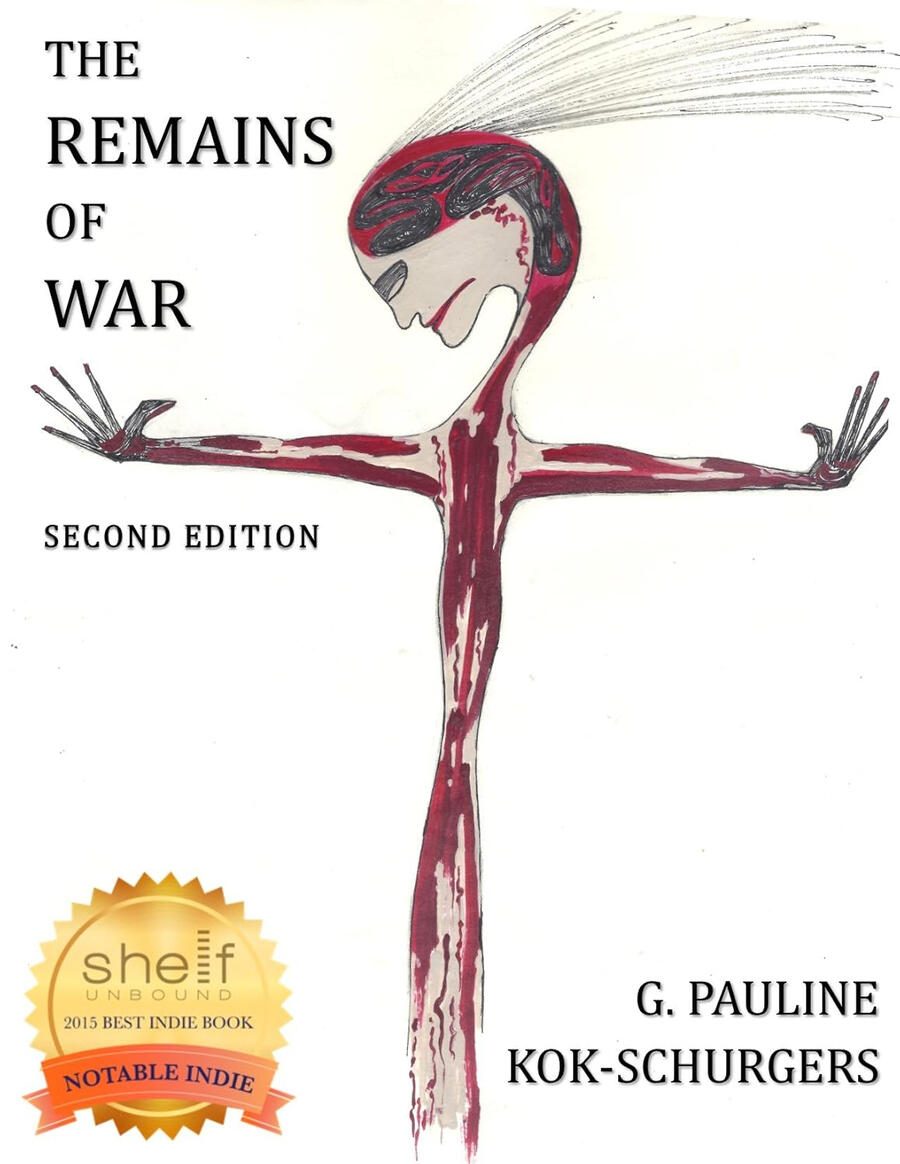
The remains of war

When the Dutch Army surrenders to Japan in 1942, nine-year-old Sofia's world shatters. Imprisoned with her mother, younger brother, and two baby sisters, she is forced to endure the brutal realities of various internment camps across Sumatra. Meanwhile, her father is sent to labor on the infamous Burma-Siam railroad, leaving the family to wonder if he is even alive.
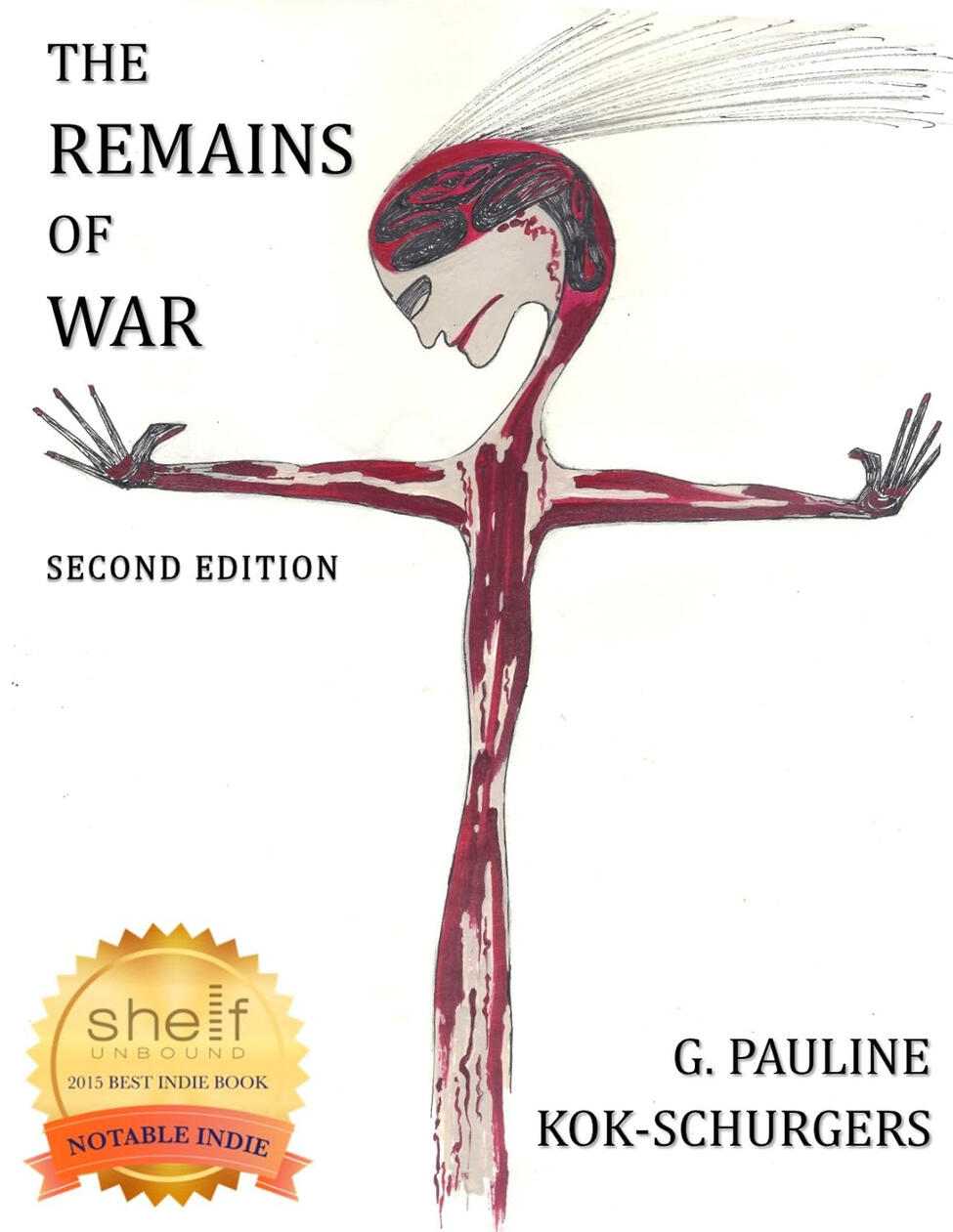
The Remains of War chronicles Sofia's grueling struggle through those dark years as she fights to protect her younger siblings and keep her mother from sinking into a deep depression. Starved for her mother's attention and longing for her father's return, Sofia must grow up far too fast. The horrors of the camps, profound loneliness, and the loss of dear friends ultimately transform her into a quiet, introspective survivor—carrying invisible scars that will last a lifetime.Written through the innocent eyes of a child, The Remains of War touches the core of human suffering and the utter senselessness of war. It stands as a profound testament to the courage of the forgotten—giving voice to the millions forever silenced, who died and were left behind without a name or a cross on their graves.

Inspiration

‘The Remains of War” is my childhood autobiography. During a visit to The Dutch Embassy in Toronto, the Consul General cautioned me that once my generation passes, nothing of what took place in those World War Two Japanese prison camps will remain. His insight gave me the courage to finally break sixty-five years of silence and put pen to paper.The poignant years spent writing were very much an inward-looking process. In the end, it gave me the strength to accept that while I may never forget my past, sharing this story has allowed some of those deep wounds to heal.


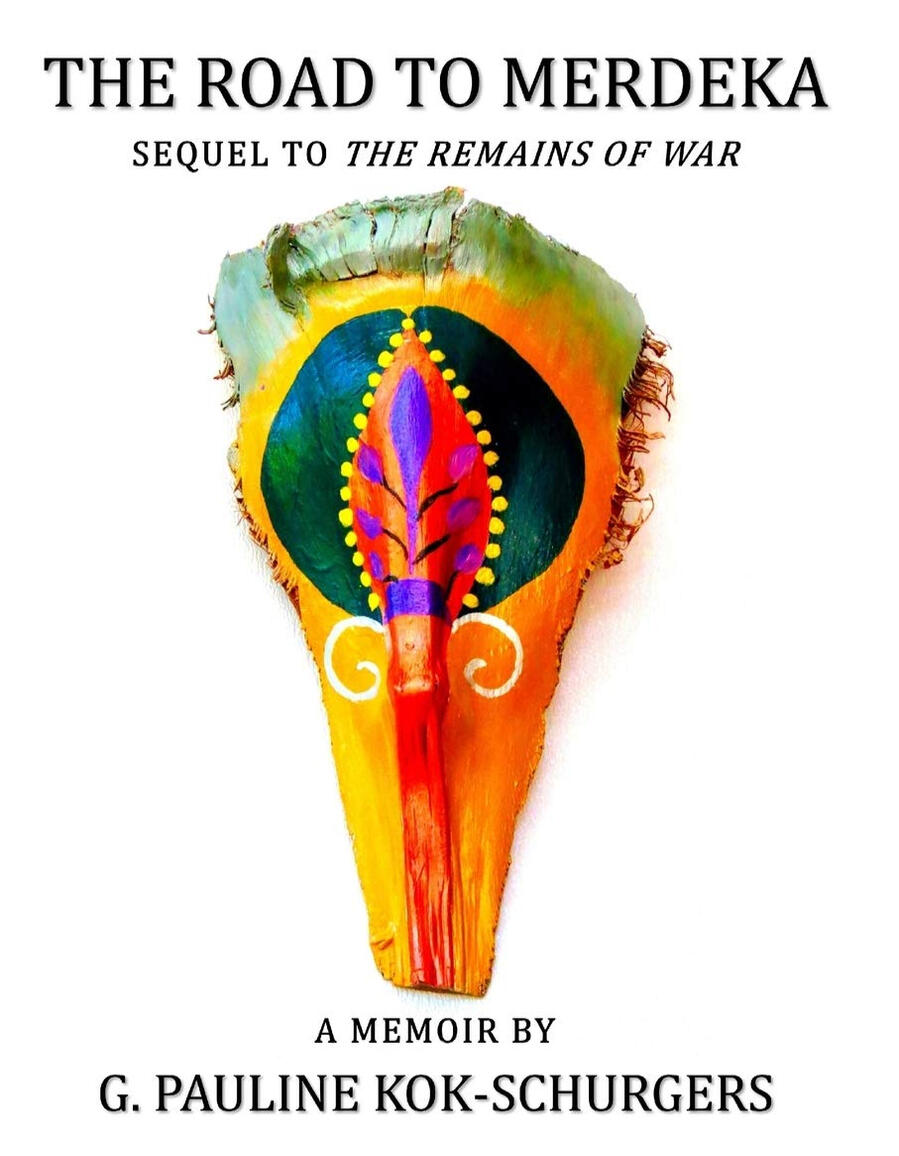
The road to merdeka

Though the British liberated the Dutch from the clutches of the Japanese Army on Sumatra, another war quickly followed: the bloody struggle for Indonesian independence. Now known as the Bersiap period, named after the terrifying nationalist battle cry meaning "get ready"—a signal for brutal attacks against Dutch, Eurasian, and perceived enemy targets.

Pauline Kok-Schurgers seemlessly picks up Sofia's journey where The Remains of War left off. Written to answer the burning question of what happened next, this sequel continues her story immediately following the bittersweet reunion with her father on the airport tarmack.As the island of Sumatra grows increasingly dangerous, Sofia’s
family must flee to Holland, forcing her to leave behind the only home she has ever known. Thus begins a deeply personal journey to rebuild a broken family, find self-love, and redefine the meaning of home.
This is Sofia’s road to freedom. The Road to Merdeka.